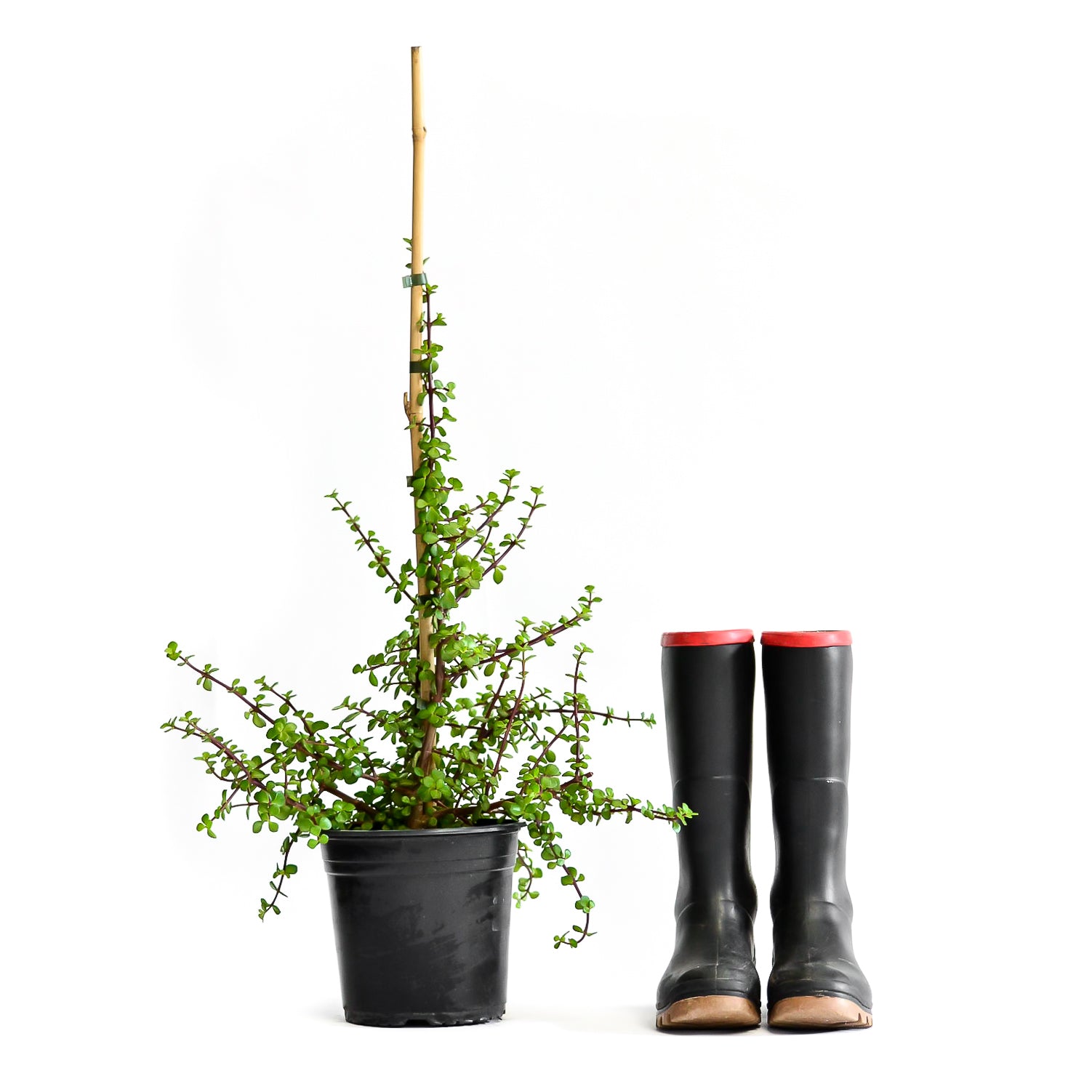
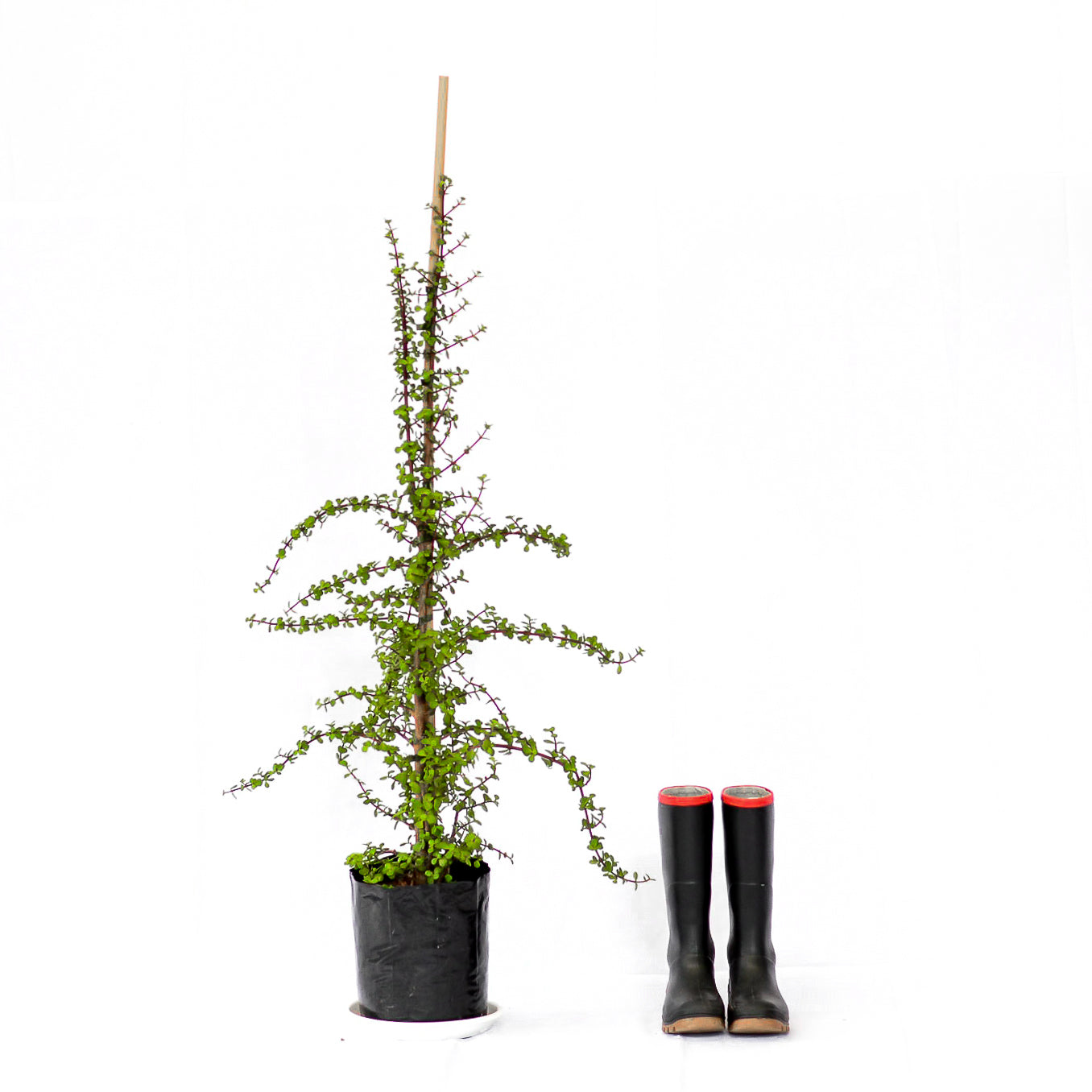
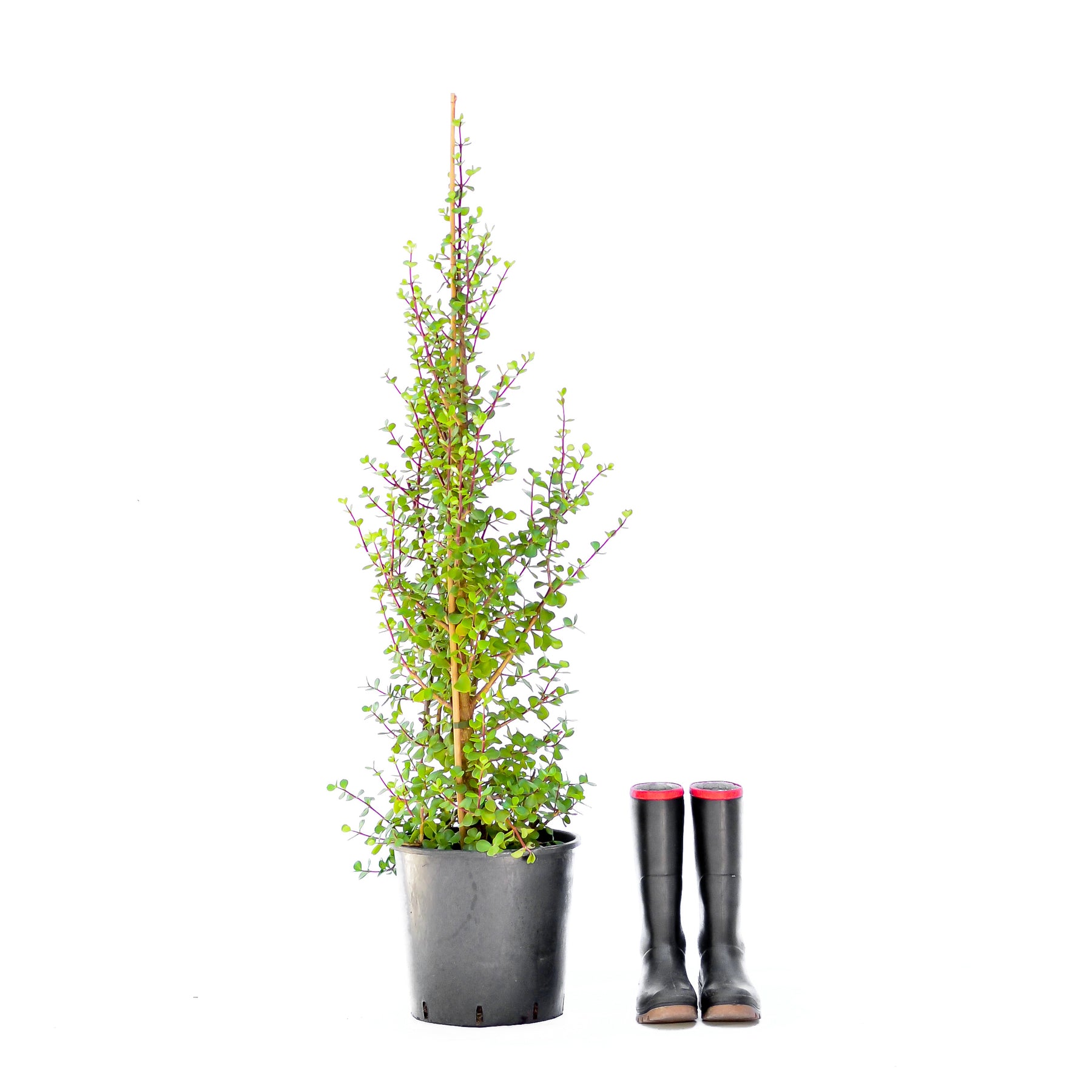
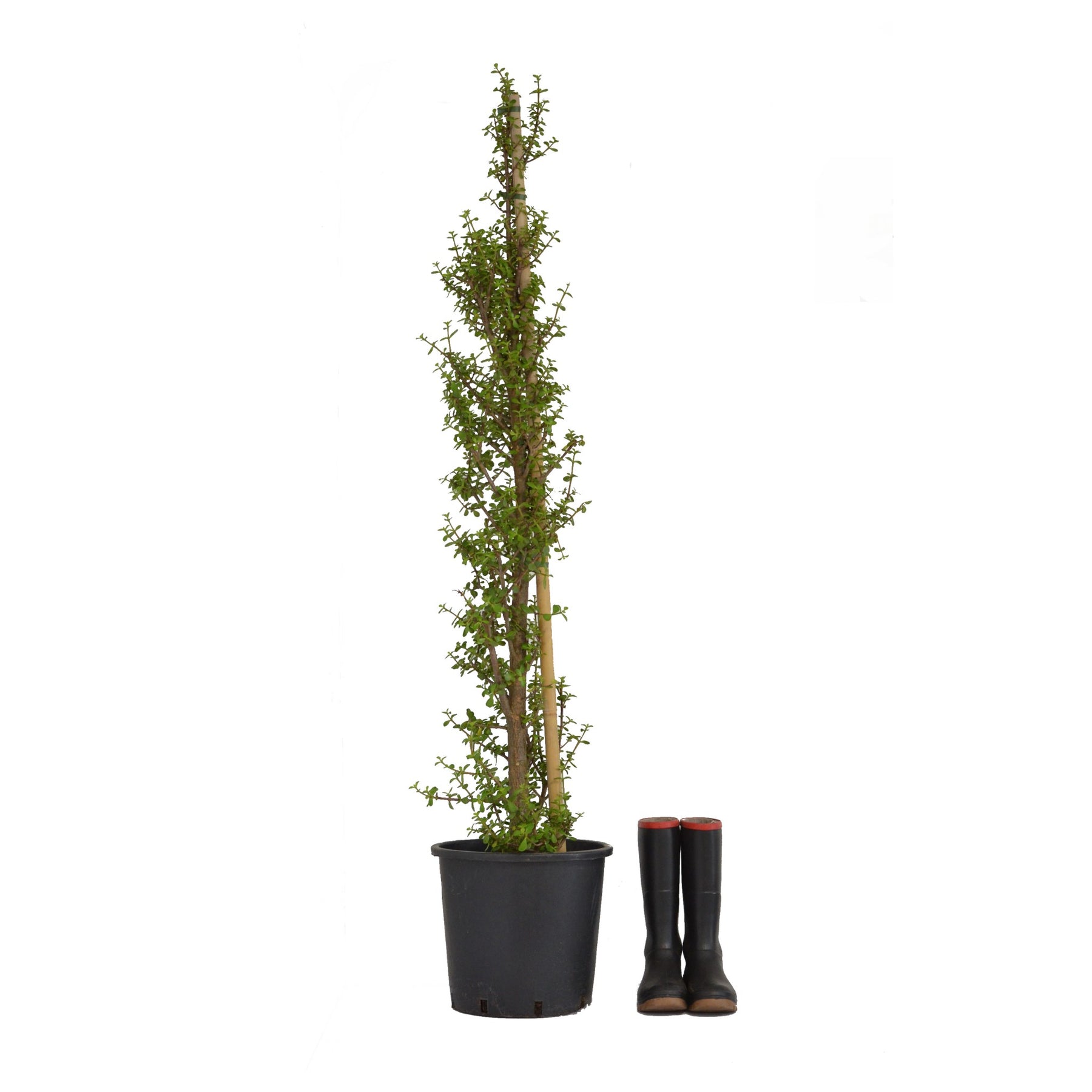
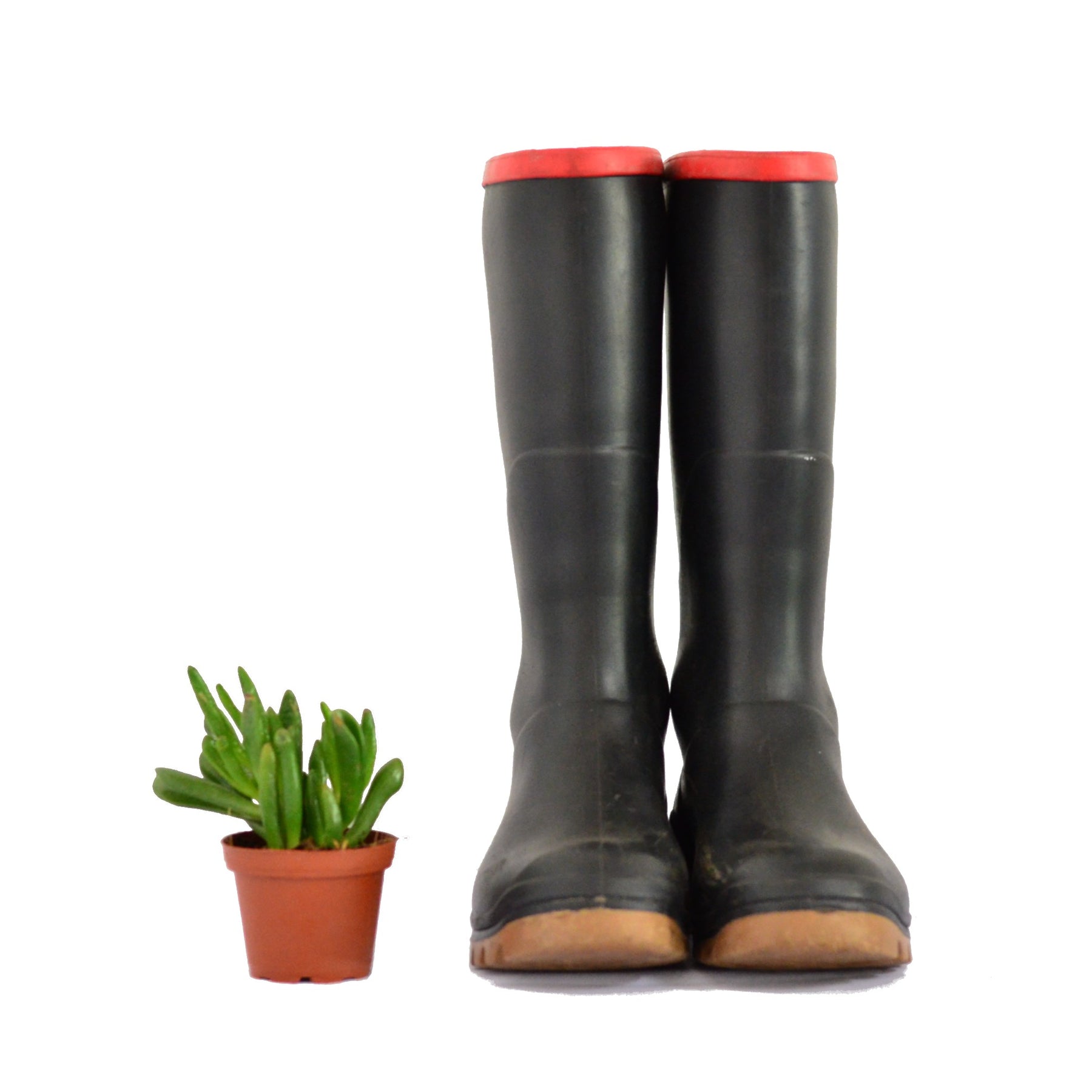
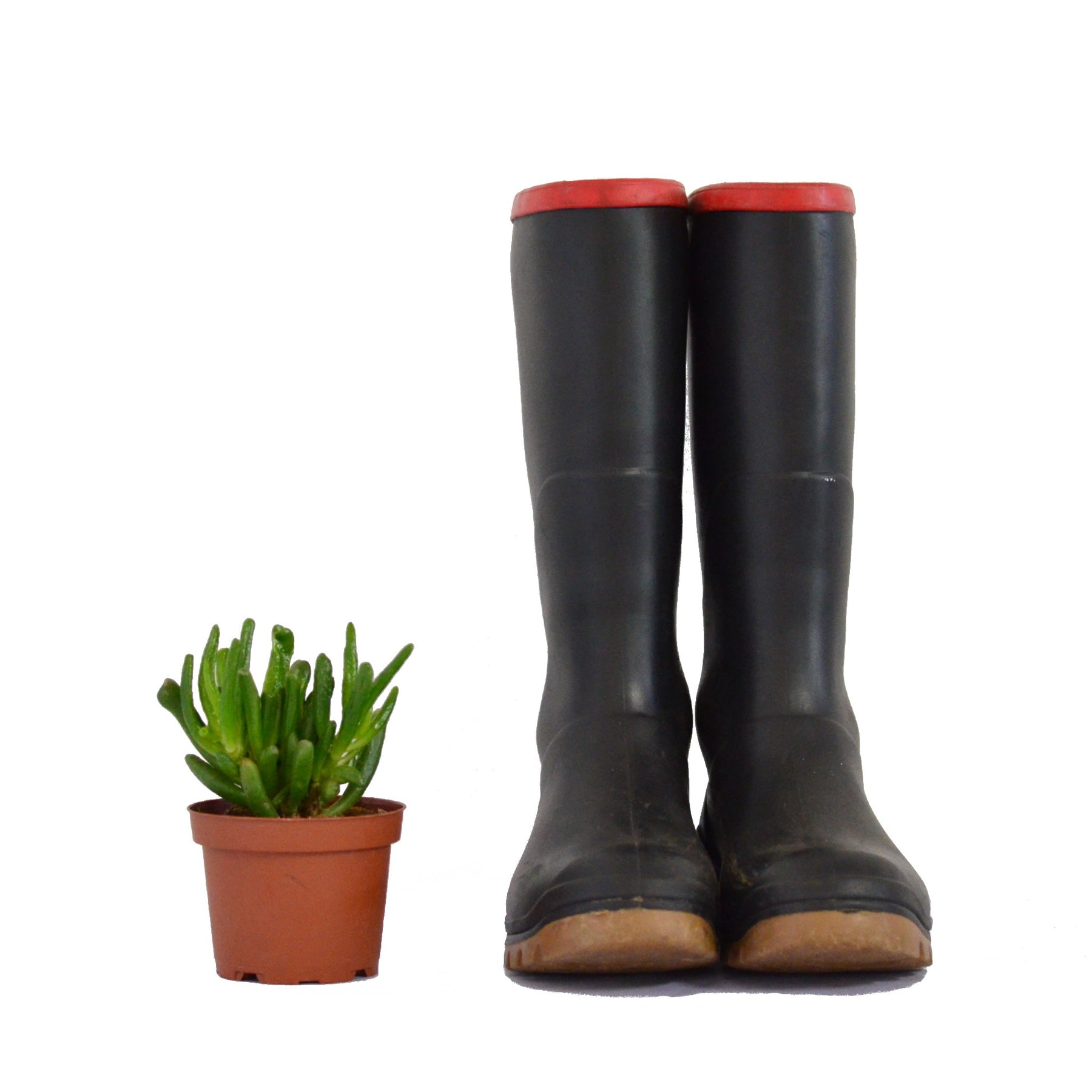
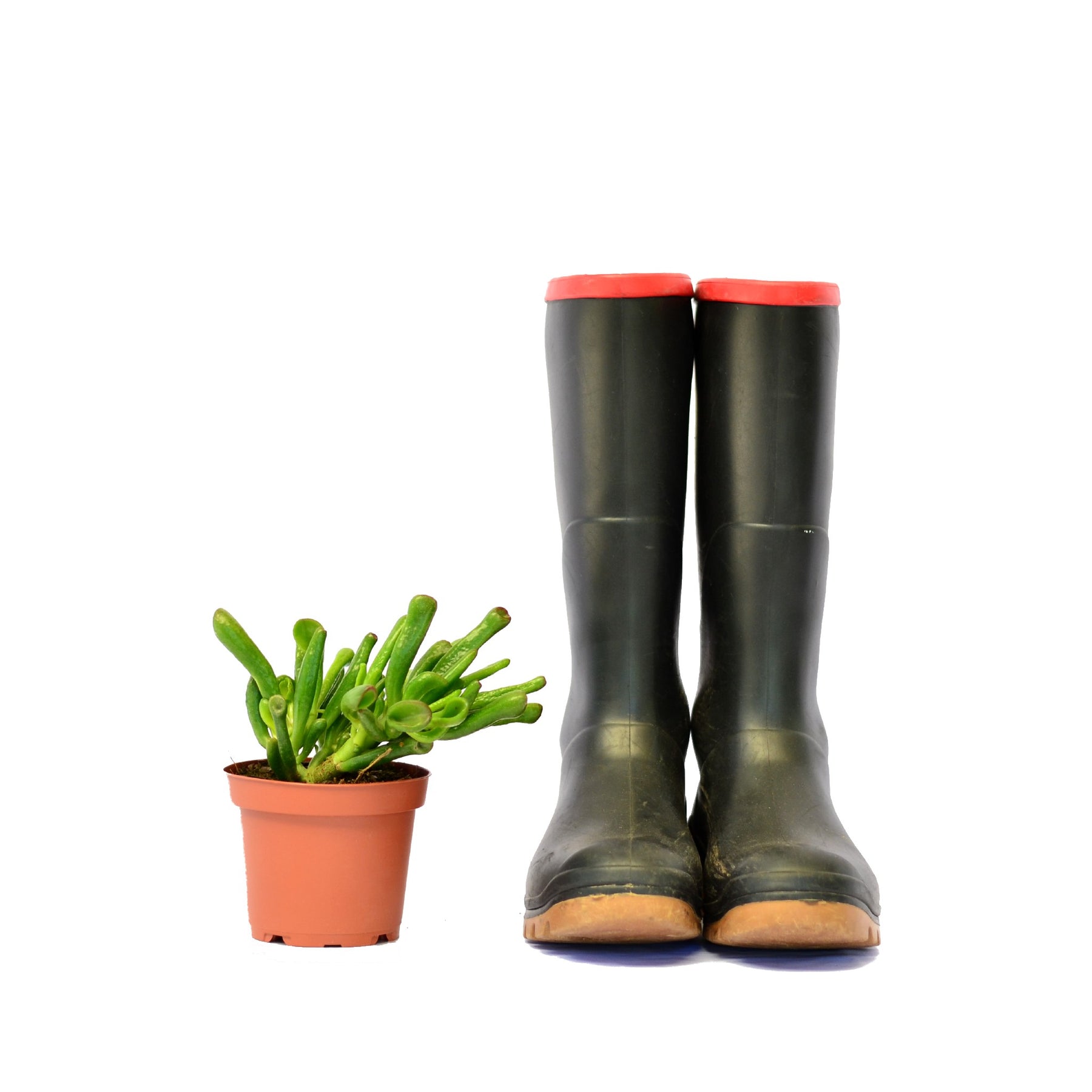
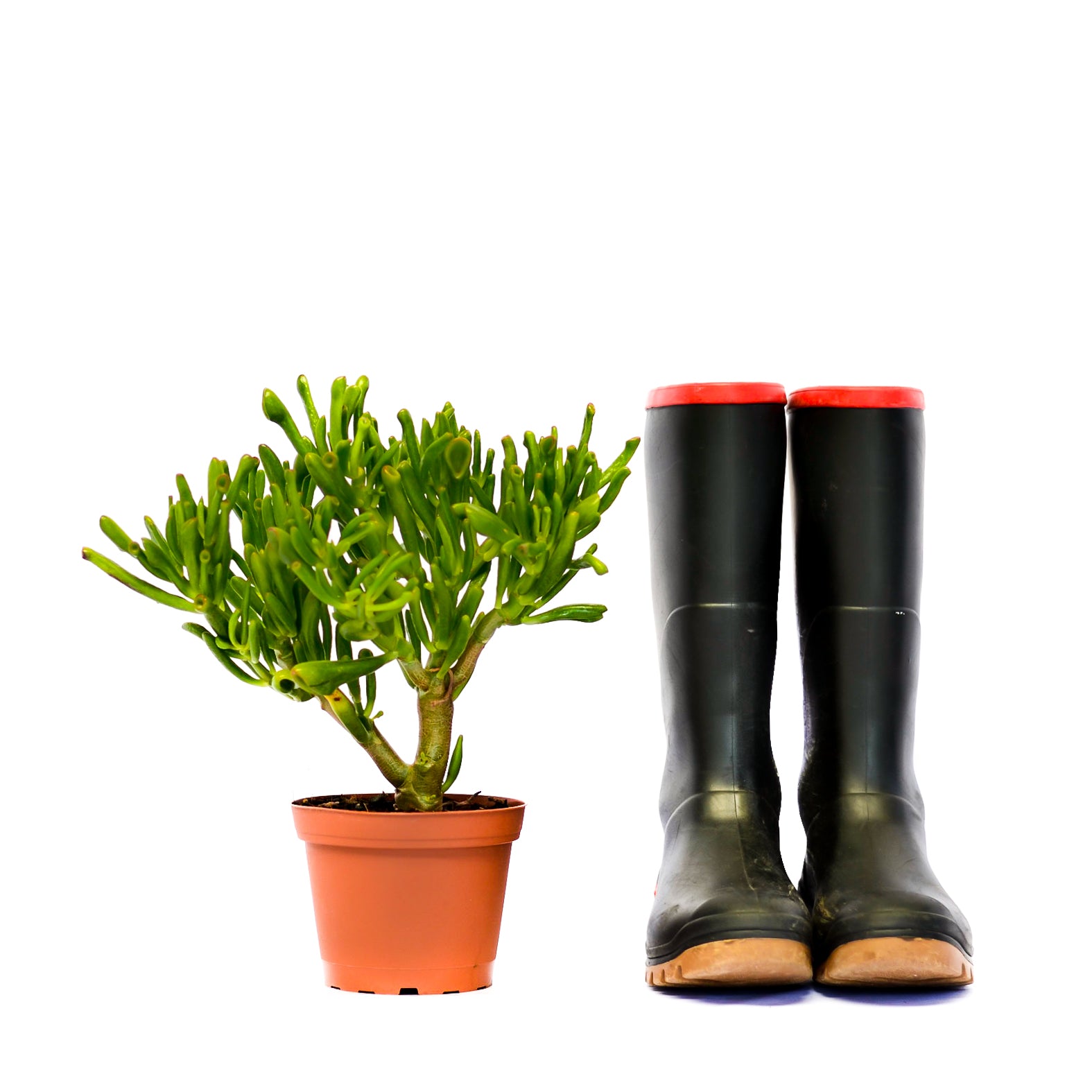
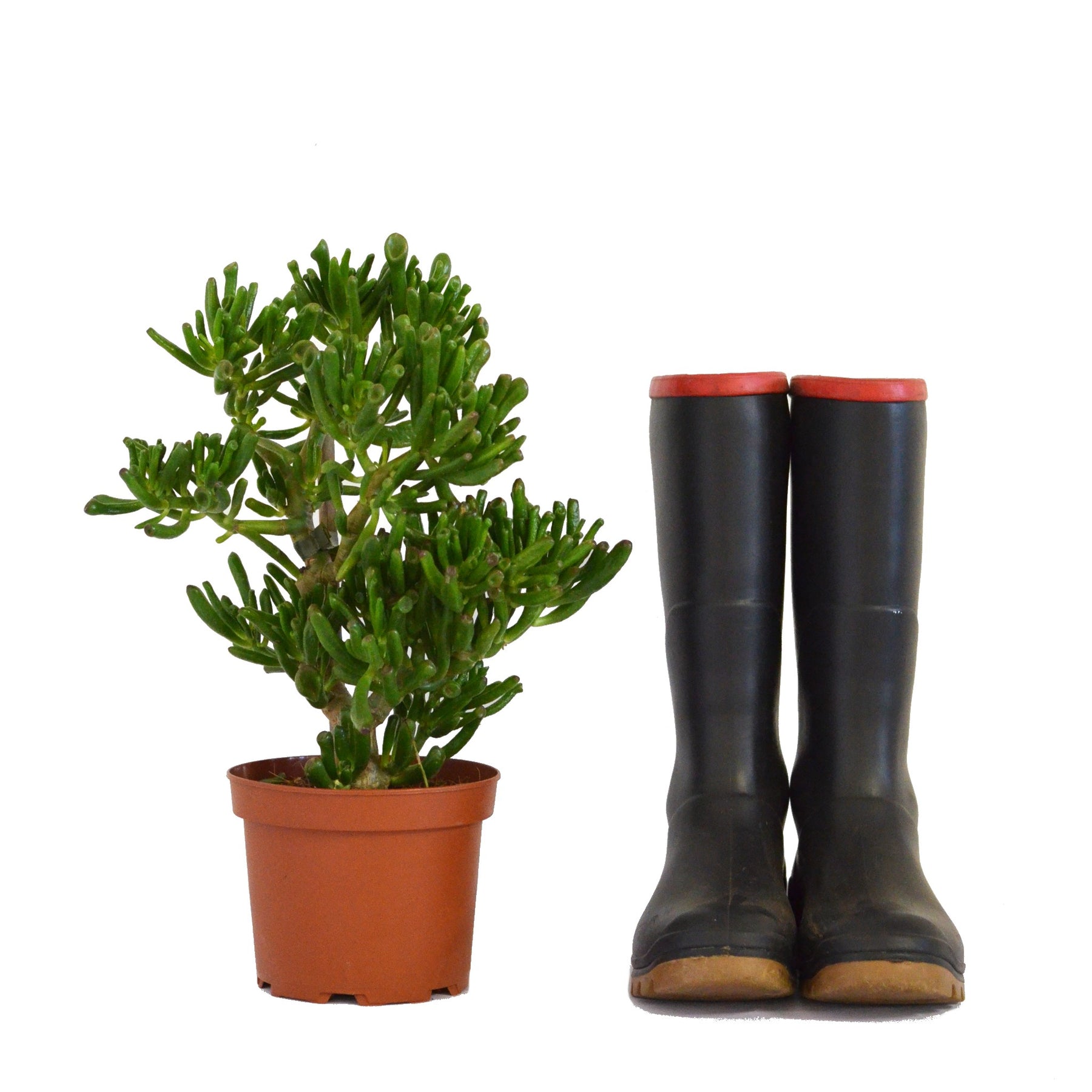
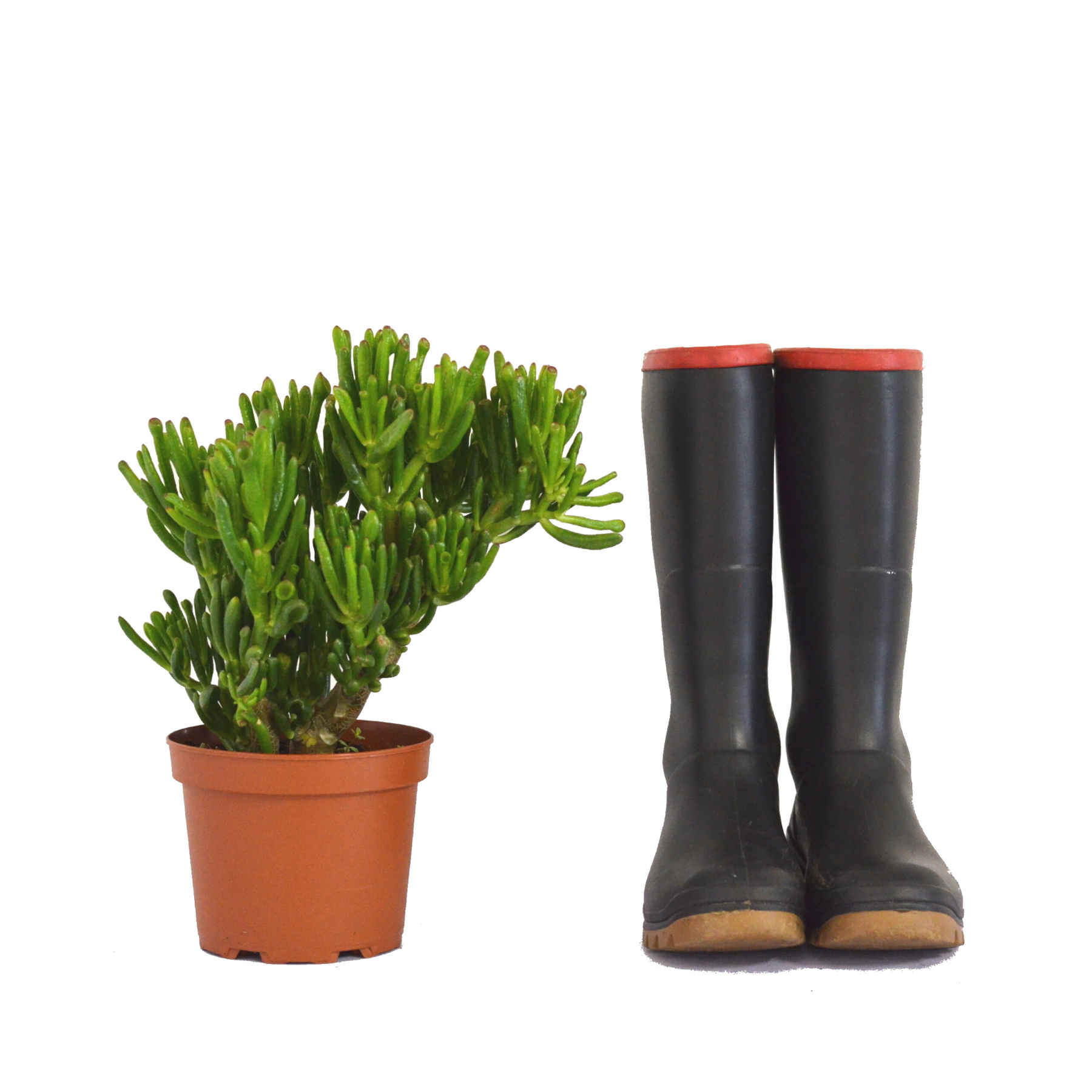
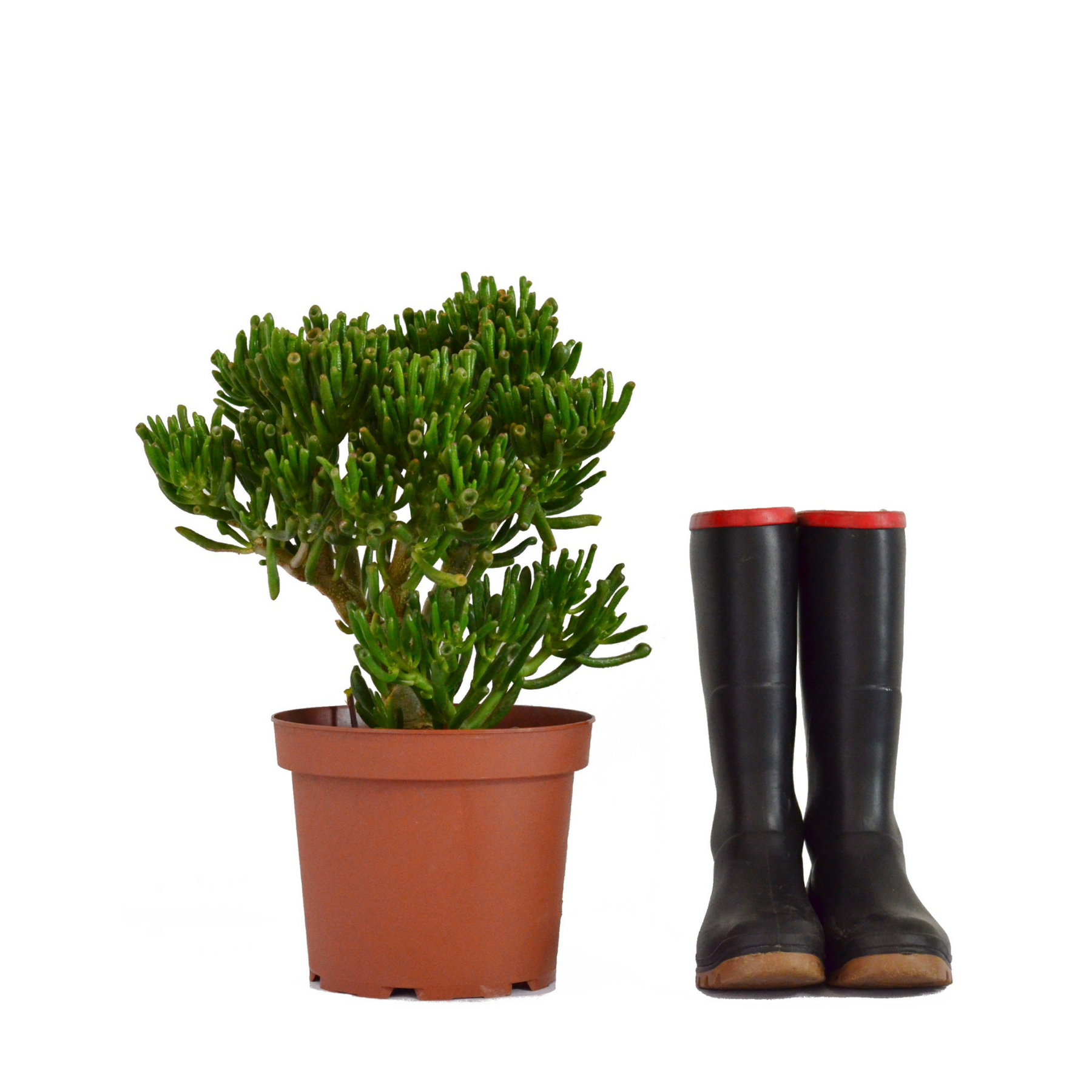
Crown of Thorns | Euphorbia Milii
Regular price R 289.95A resilient succulent shrub with a regal name, Crown of Thorns is loved for its clusters of bright red, pink, or yellow bracts that appear almost year-round in Cape Town’s mild climate, with peak flowering from late spring through autumn (October–April). Its thorny stems and glossy green leaves make it both striking and hardy, perfect for sunny patios, rockeries, and water-wise gardens. With its long-lasting blooms and tough nature, this plant brings colour and character to any space while thriving on minimal care.
Plant in sandy, well-draining soil and position in full sun for best flowering. Water sparingly, allowing soil to dry between waterings. Prune lightly to shape and remove dead stems, but handle with care due to its thorns. Protect from excessive winter rain by ensuring good drainage. It is a tough, low-maintenance plant that rewards with continuous colour.
Euphorbia milii is believed to have been introduced to Europe from Madagascar in the 19th century. Its name “Crown of Thorns” comes from the legend that it was the plant woven into the crown placed on Christ’s head, making it one of the most symbolically significant ornamentals in cultivation.
| Botanical Name |
Euphorbia Milii
|
|
Growth Expectancy
|
1 m H x 1 m W
|
|
Position
|
Full sun
|
| Water Smart | Yes |
| Indigenous | No |
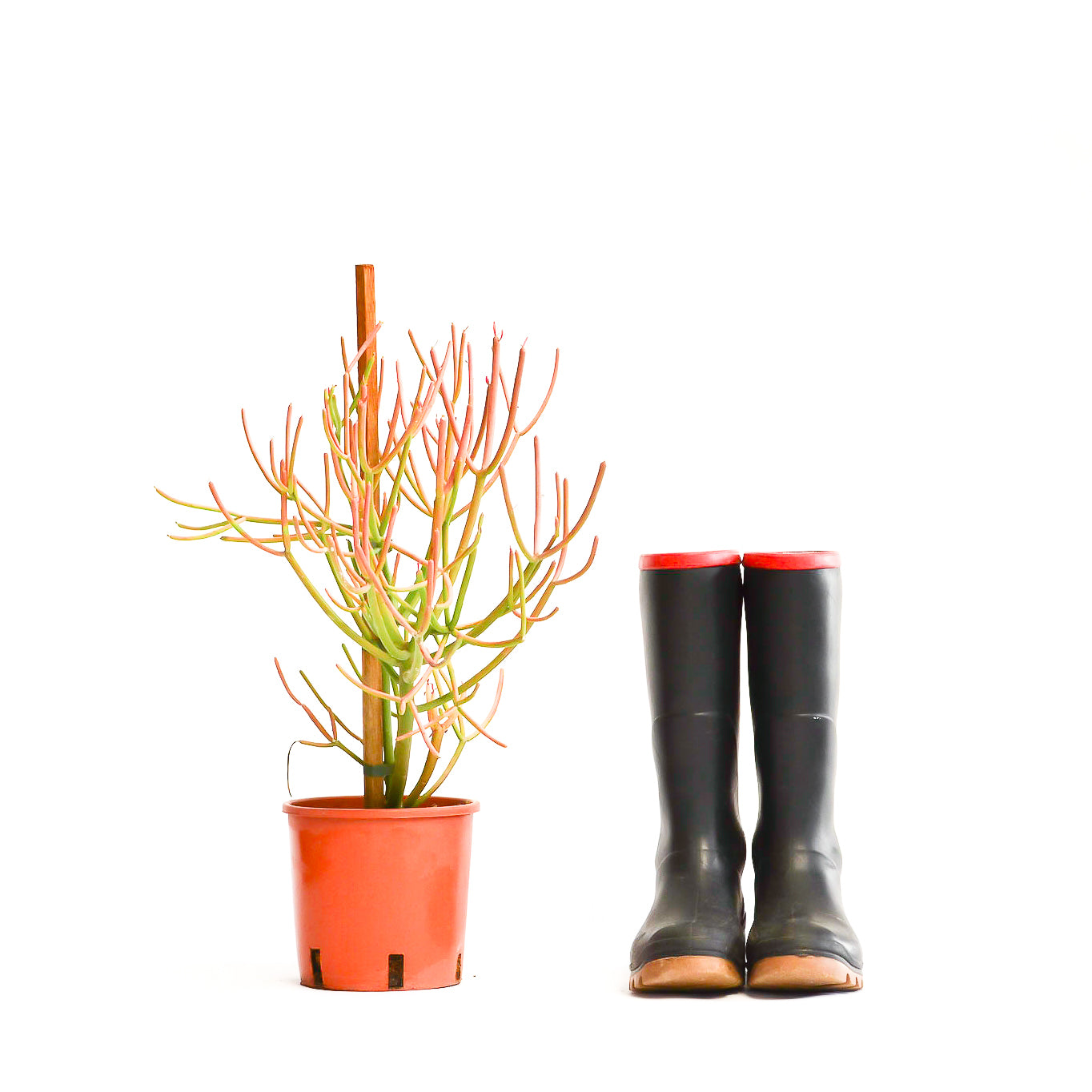
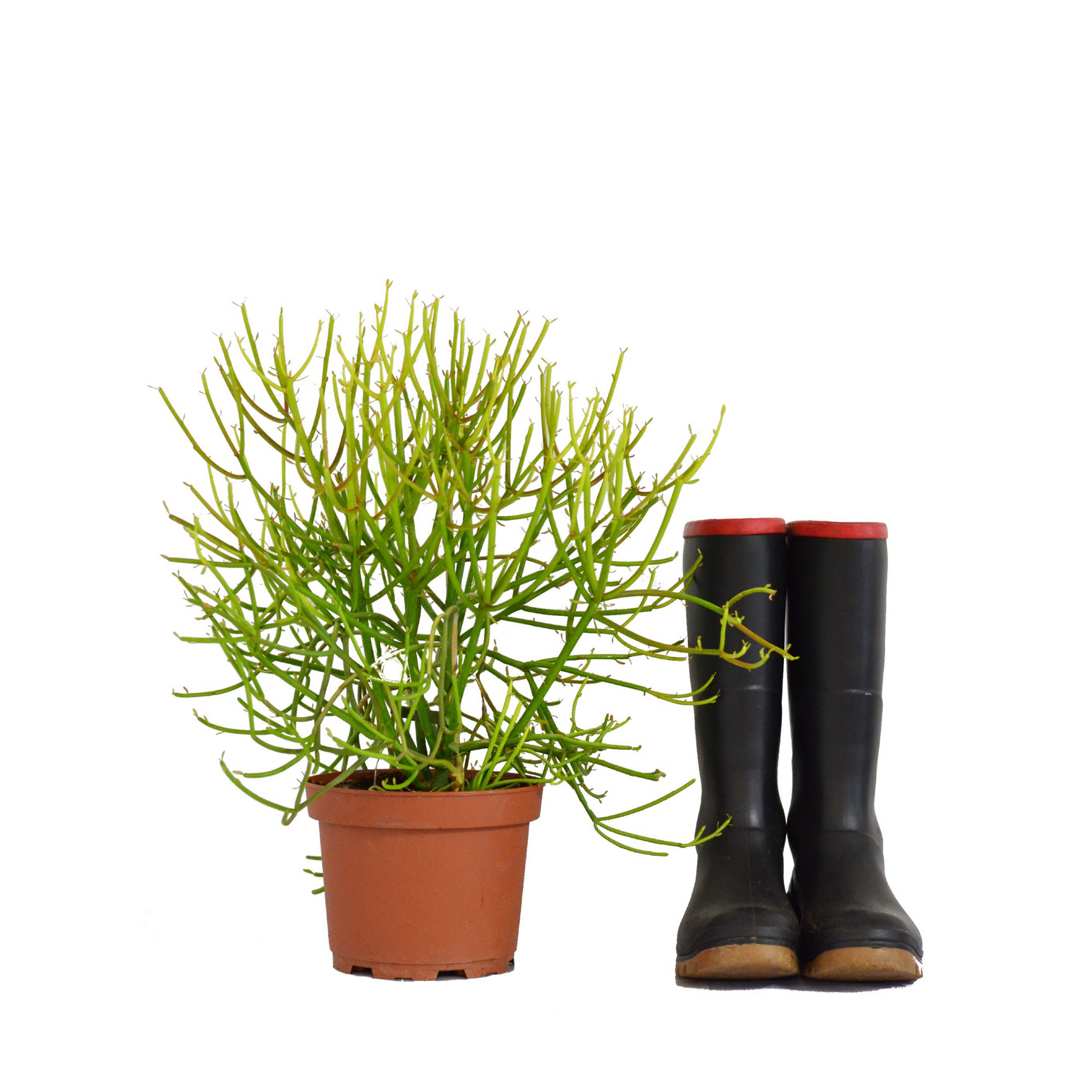
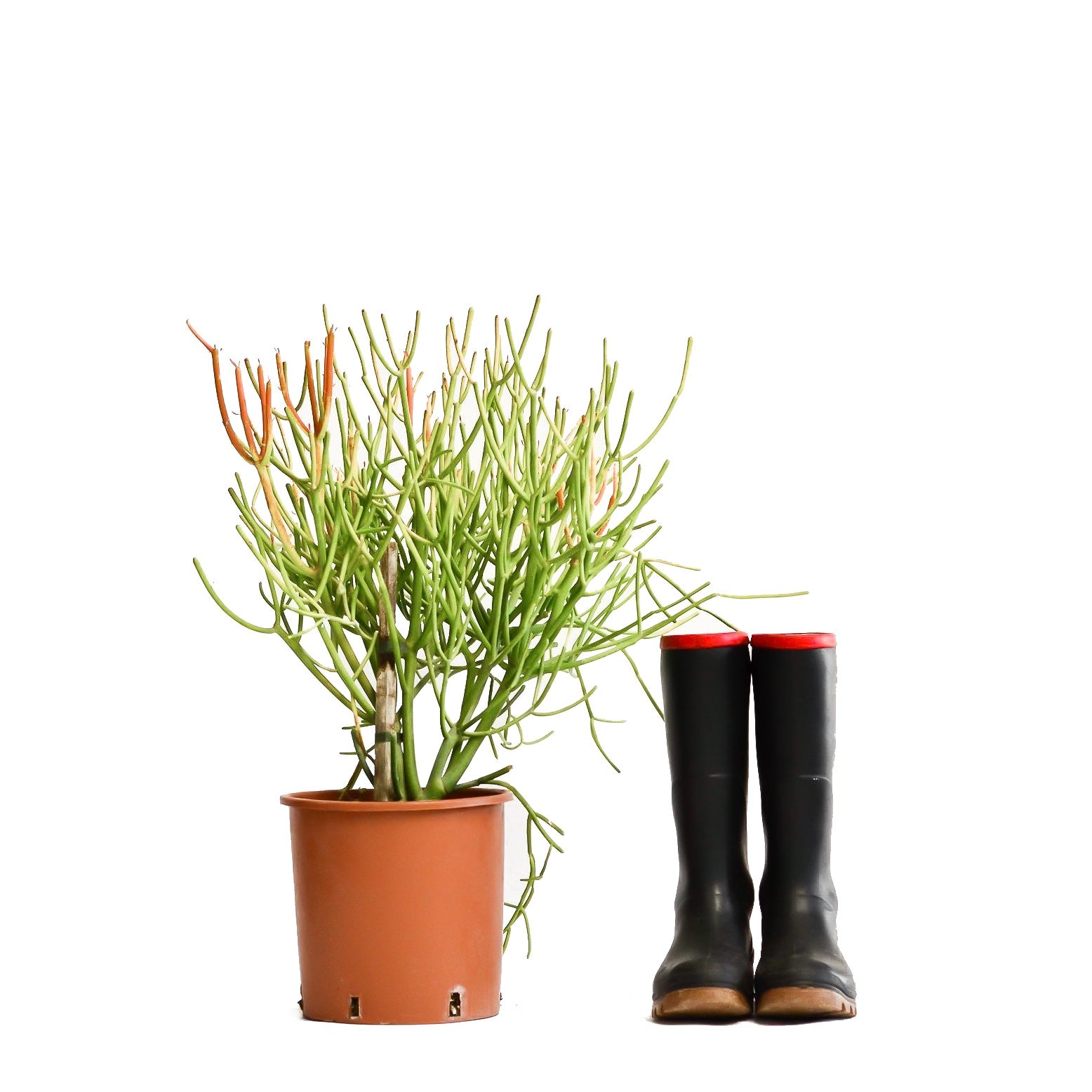
Fire Sticks | Euphorbia Tirucalli
Regular price R 69.95
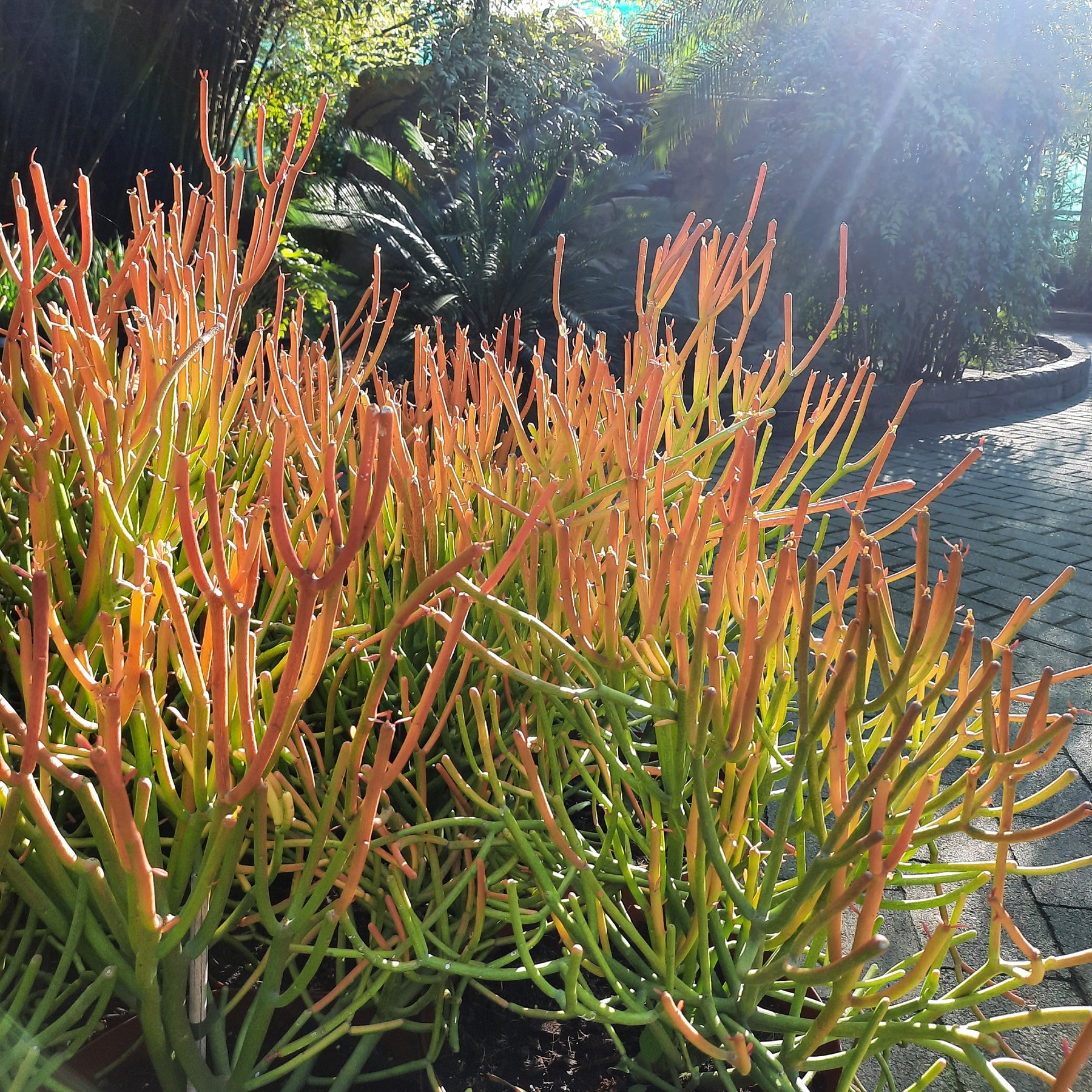
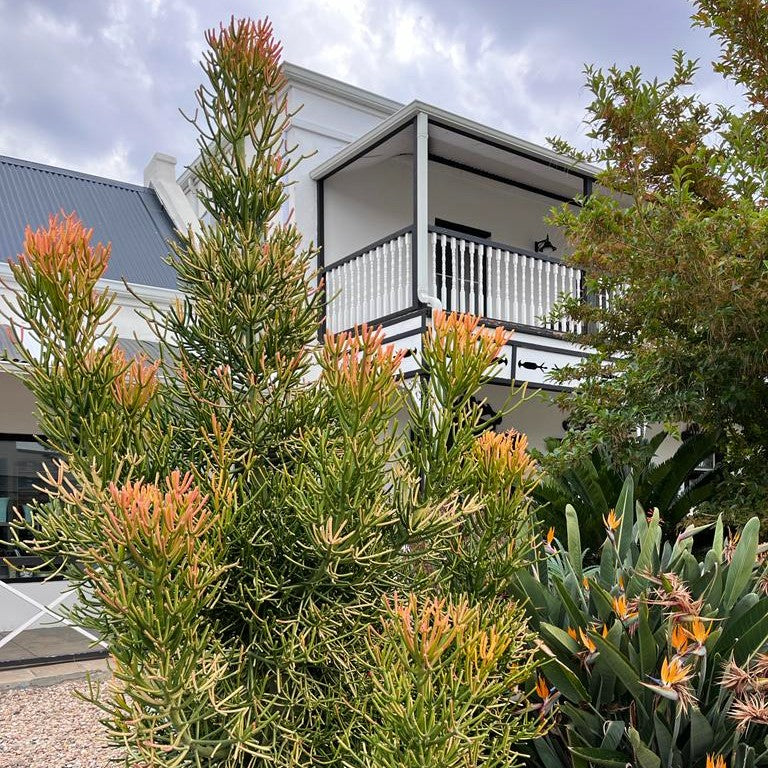
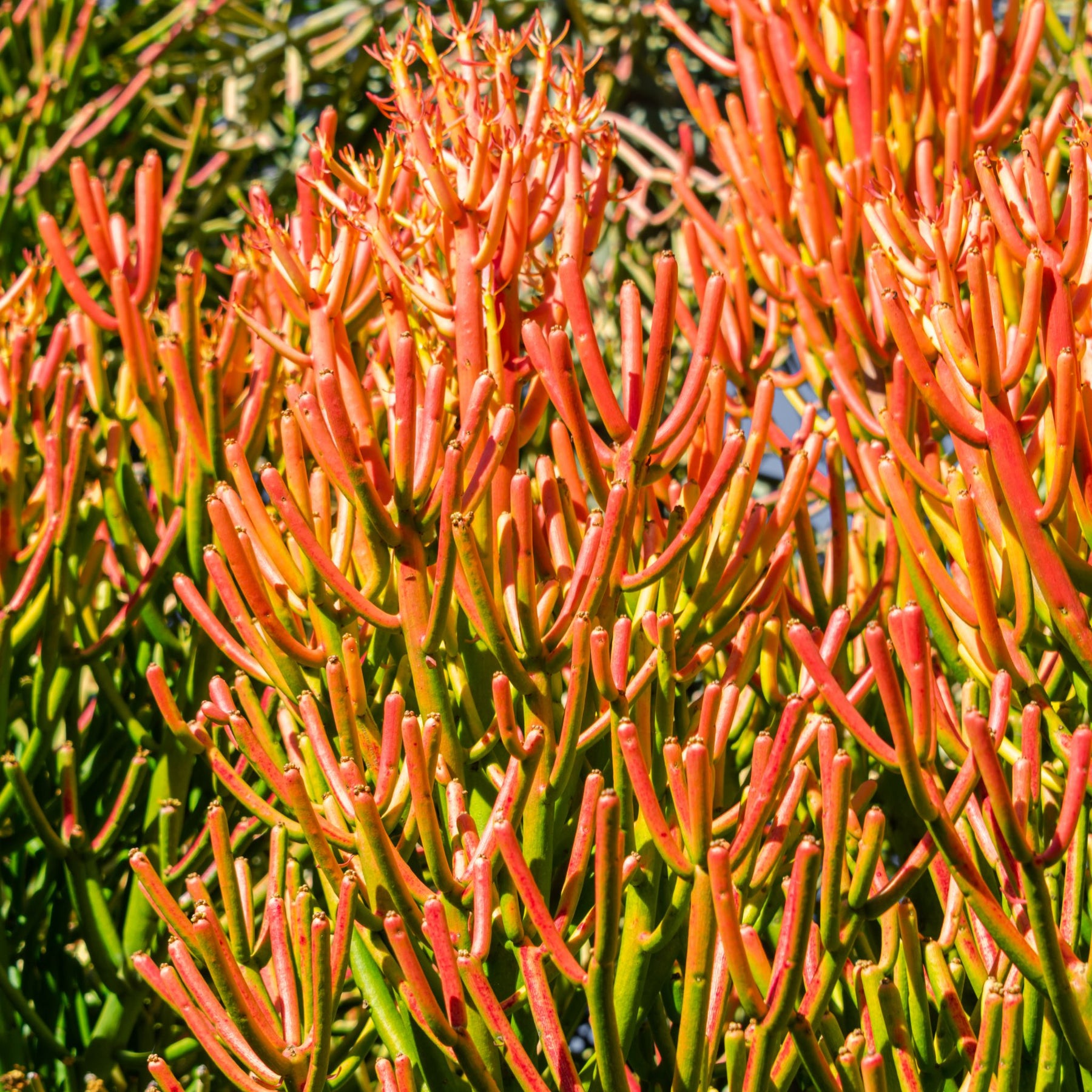
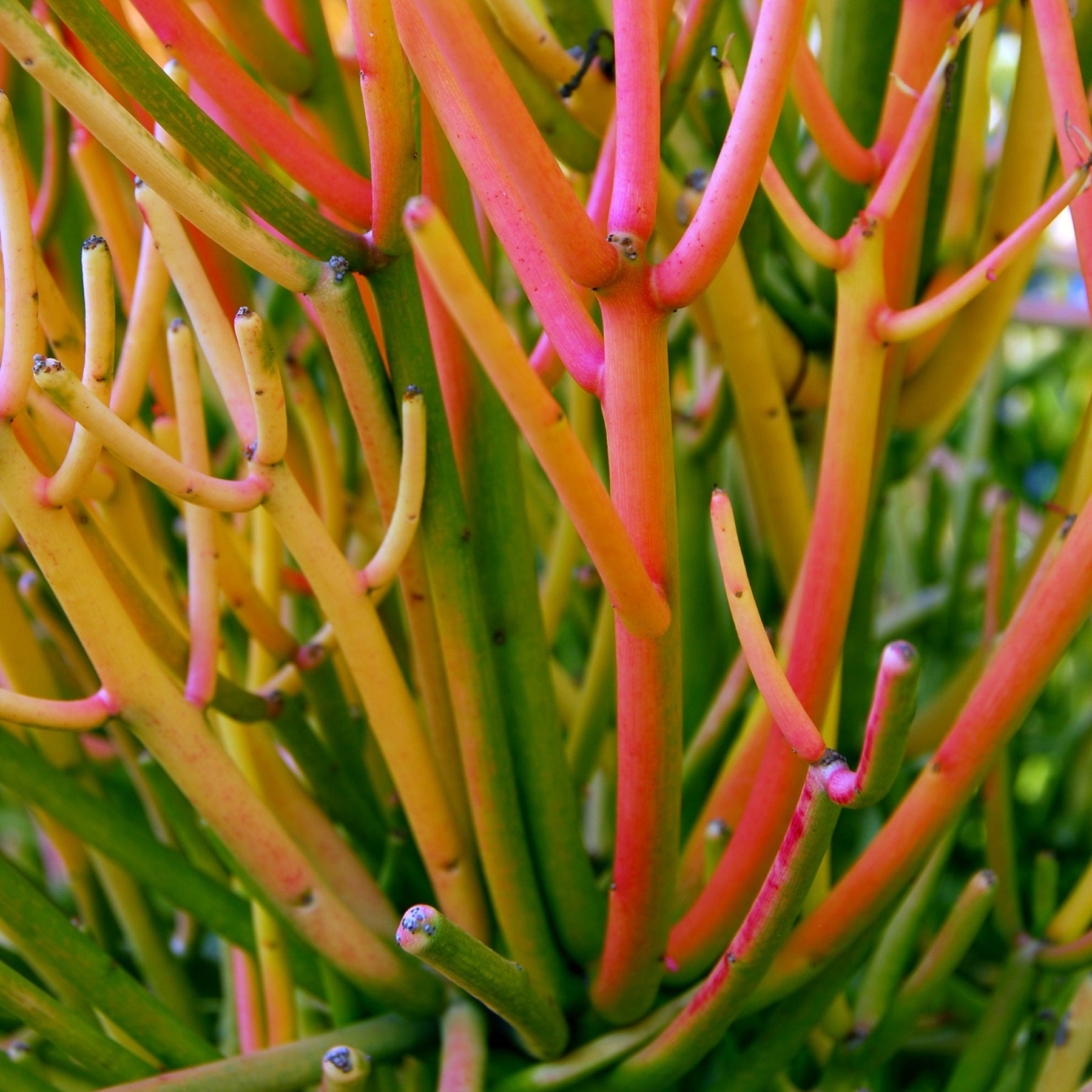
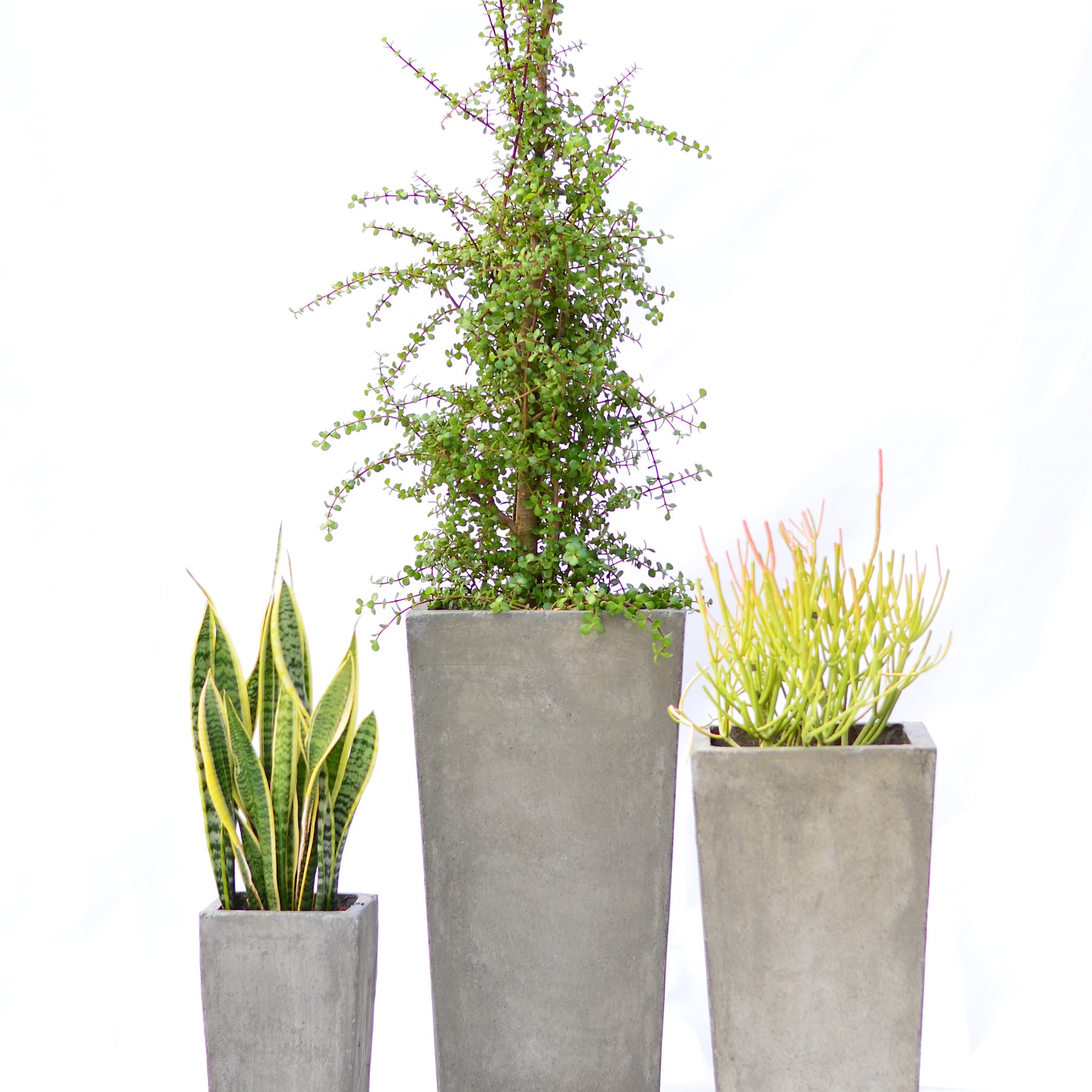
Ignite your garden with the blazing colours of Fire Sticks! This striking succulent shrub is a living sculpture, with pencil‑thin stems that glow green in summer and transform into fiery shades of orange, red, and yellow as the cooler months arrive. Its ever‑changing palette makes it one of the most dramatic statement plants for Cape Town gardens. Perfect for rockeries, bold container displays, or as a water‑wise focal point, Fire Sticks thrives in full sun and poor soils where other plants struggle. Category: Ornamental, Water‑wise, Architectural Plant. With its sculptural form and seasonal colour fireworks, Fire Sticks is guaranteed to turn heads all year round. Fire Sticks Euphorbia tirucalli
Plant in sandy, well‑draining soil and position in full sun for best colour. Water sparingly, especially in winter, as it is highly drought‑tolerant. Prune lightly to shape, but always wear gloves and eye protection when handling due to its toxic sap. Protect from frost and excessive winter rain by ensuring good drainage.
Fire Sticks is also known as “Pencil Plant” or “Sticks on Fire.” Its colour intensifies in cooler weather, making winter gardens glow with fiery tones. Despite its beauty, the plant’s latex sap is highly toxic, which is why it has also been used historically in traditional practices, though modern gardeners prize it purely for its ornamental drama.
| Botanical Name |
Euphorbia Tirucalli
|
|
Growth Expectancy
|
2 m H x 2 m W
|
|
Position
|
Sun - Semi shade
|
| Water Smart | Yes |
| Indigenous | Yes |

| Toxicity | Highly toxic; sap irritates skin/eyes, poisonous if ingested |
Red-Leaved African Milk Tree | Euphorbia Trigona 'Rubra'
Regular price R 169.95
Euphorbia trigona ‘Rubra’ – Red‑Leaved African Milk Tree. A dramatic succulent with upright, candelabra‑like stems flushed in deep burgundy red, creating an architectural statement in any garden or container. In Cape Town’s climate, it produces small, inconspicuous greenish flowers in summer (December–February), though it is prized mainly for its striking foliage. Perfect for modern landscapes, water‑wise gardens, and bold indoor displays, it thrives in full sun and well‑drained soil. Customers love its sculptural form and rich colour that adds instant drama.
Plant in sandy, well‑draining soil and place in full sun for best colour. Water sparingly, allowing soil to dry between watering. Protect from frost in winter. Wear gloves when handling, as the sap can irritate skin. Prune lightly to maintain shape and encourage branching.
Despite its name, the African Milk Tree is not a true tree but a succulent. It's milky sap gave rise to the name and has been used traditionally in some cultures, though it is toxic.
| Botanical Name | Euphorbia Trigona |
|
Growth Expectancy
|
1,5m H - 90cm W
|
|
Position
|
Semi-shade - Sun
|
| Water Smart | Yes |
| Indigenous | No |
Echeveria 'Devotion'
Regular price R 49.95
A striking rosette succulent, Devotion is admired for its fleshy leaves that range from deep green to rich burgundy-red, intensifying in colour under bright sun. Compact and symmetrical, it adds bold contrast to containers, rockeries, and water-wise gardens. In Cape Town’s climate, it produces tall flower stalks in late spring to summer (November–February), bearing clusters of orange-red, bell-shaped blooms that attract pollinators. With its dramatic colouring and easy-care nature, Devotion is a favourite among collectors and landscapers alike.
Devotion Succulent Echeveria ‘Devotion’
Plant in sandy, well-draining soil and position in full sun to semi-shade. Water sparingly, allowing soil to dry between waterings, especially in winter. Remove spent flower stalks to keep plants neat. Protect from frost and excessive winter rain by ensuring good drainage. Minimal care is rewarded with vibrant foliage and seasonal blooms.
Echeverias are native to Mexico and Central America, where they grow on rocky slopes. The ‘Devotion’ cultivar is especially prized for its rich red tones, which intensify in bright light, making it a living jewel in any succulent collection.
| Botanical Name |
Echeveria 'Devotion'
|
|
Growth Expectancy
|
15-30cm H x 15-30cm W
|
|
Position
|
Sun
|
| Water Smart | Yes |
| Indigenous | No |